
The Rise of Ube in Europe: From Filipino Tradition to European Trend
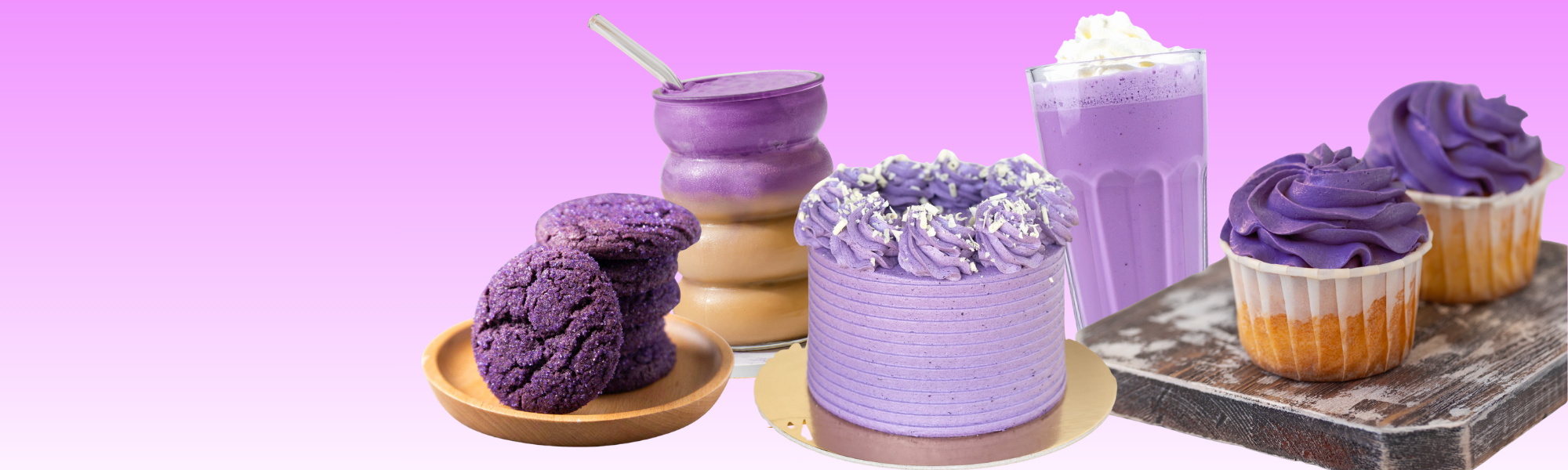
In the past few years, a vibrant purple ingredient from the Philippines has quietly taken over bakeries, cafés, and supermarket shelves across Europe. Ube — the Filipino purple yam — is no longer just a nostalgic dessert flavour for Filipinos abroad. It has become one of the most exciting emerging flavors in the European food scene.
What was once a traditional ingredient used in Filipino celebrations is now appearing in lattes, cookies, pastries, and desserts across the continent. From Parisian cafés to Dutch supermarkets, the purple wave is unmistakable.
Ube is Appearing Everywhere in Europe
A few recent developments show just how quickly ube has entered the European mainstream.
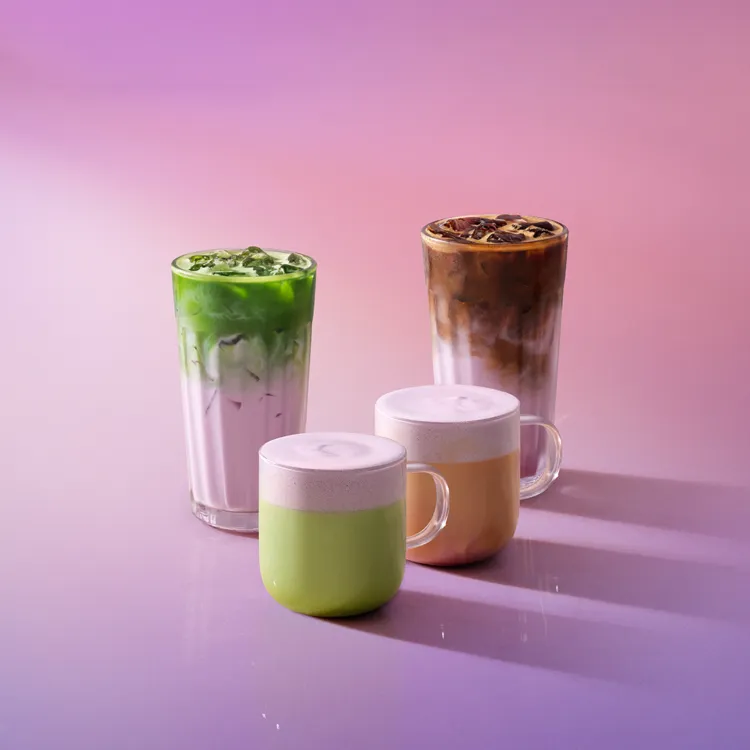
Global coffee giant Starbucks has introduced ube latte variations in select markets, highlighting the flavor’s growing popularity and consumer curiosity around Filipino ingredients.
In Paris, several specialty cafés and bakeries have begun offering ube cookies and pastries, attracting both locals and tourists looking for unique flavors and visually striking desserts.
Meanwhile in the Netherlands, major supermarket chain Albert Heijn has recently added ube cookies and ube cupcakes to its assortment — a clear signal that ube is transitioning from niche Asian specialty to mainstream European grocery shelves.
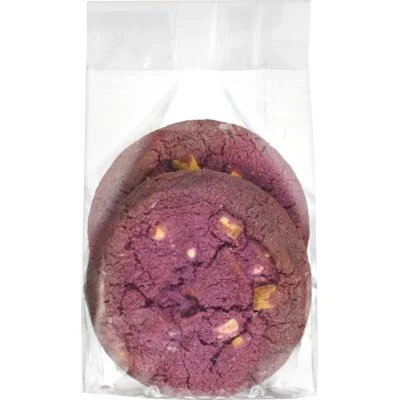
Abert Heijn Ube white chocolate cookie
These developments are not isolated. Across Europe, chefs and food entrepreneurs are experimenting with ube in everything from croissants to ice cream, pancakes, and artisanal desserts.
Why Ube Became Popular
Several factors have contributed to ube’s rapid rise in popularity.
1. Its distinctive color
Ube’s natural deep purple color immediately catches attention. In an era where visual storytelling drives food trends, ube delivers both aesthetic appeal and authenticity. Unlike artificial coloring, the vibrant hue comes directly from the yam itself.
2. A unique flavor profile
Ube has a flavor that Europeans often describe as a cross between vanilla, pistachio, and sweet potato, with subtle nutty notes. It is sweet but not overwhelming, making it versatile for desserts, drinks, and baked goods.
3. Social media visibility
Platforms like Instagram and TikTok have amplified visually appealing foods, and ube’s striking color makes it highly shareable. Many cafés report that customers first try ube products simply because they are curious about the purple color.
4. Growing interest in Asian cuisine
European consumers are becoming more adventurous with flavors from Asia. Just as matcha, yuzu, and pandan have gained popularity in recent years, ube represents the next wave of Asian-inspired ingredients entering Western markets.
Media Attention Driving the Trend
Major European lifestyle publications have also helped bring ube into the spotlight.
Vogue France highlighted ube as one of the emerging dessert flavors redefining modern pastry trends. https://www.vogue.fr/article/ube-latte-philippines-boisson-wellness
Marie Claire featured ube in articles discussing the rise of colorful and globally inspired desserts. https://www.marieclaire.fr/qu-est-ce-l-ube-ou-igname-pourpre-et-comment-le-consommer,1357011.asp
Another major lifestyle publication, Elle, has also written about the growing fascination with purple desserts and Filipino ingredients in Western kitchens. https://www.elle.fr/Elle-a-Table/Les-dossiers-de-la-redaction/News-de-la-redaction/Aussi-sain-que-bon-l-ube-est-la-nouvelle-boisson-star-des-reseaux-4375429
When global media, cafés, and major retailers begin highlighting the same ingredient, it often signals the start of a broader culinary movement.
Where Ube Comes From
Despite its recent popularity in Europe, ube has deep cultural roots in the Philippines.
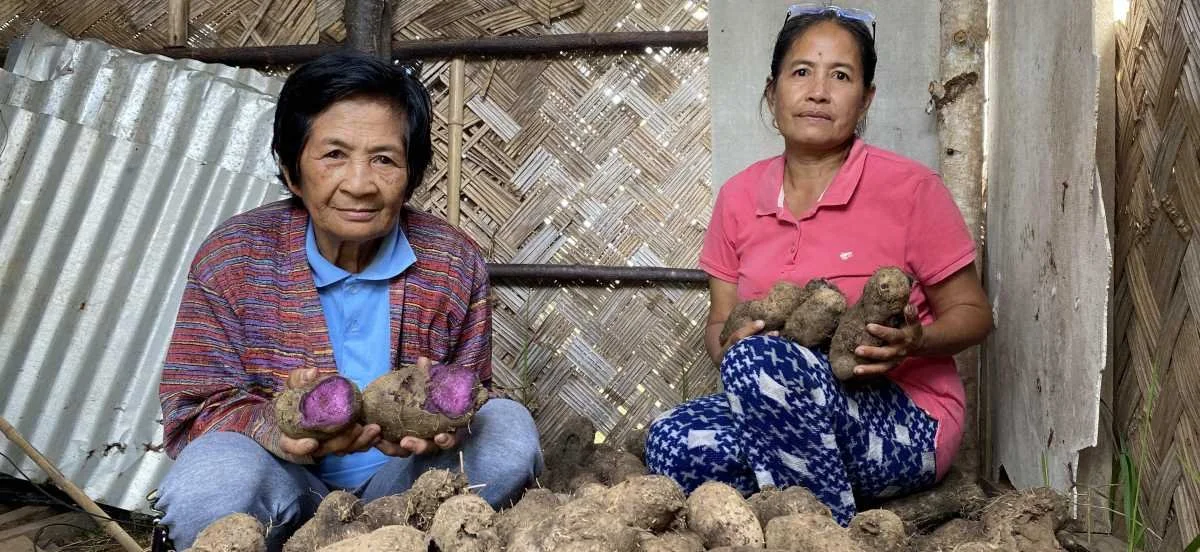
Ube farmers from the Philippines
For generations, Filipinos have used ube in traditional desserts such as ube halaya, a rich jam made from purple yam, coconut milk, butter, and sugar. This delicacy is often served during holidays and celebrations.
Ube also plays a central role in iconic Filipino desserts like halo-halo, where it adds both flavor and color to the beloved shaved ice treat.
The crop itself grows widely in the Philippines and has long been cultivated for both culinary and cultural purposes. For many Filipinos, ube is more than an ingredient — it is tied to childhood memories, family gatherings, and festive occasions.
Why Europeans Are Embracing the Ube Craze
European consumers today are looking for three things in food trends: authenticity, novelty, and visual appeal. Ube delivers all three.
First, it introduces a flavor that many Europeans have never experienced before. Unlike chocolate or vanilla, ube still feels new and exciting.
Second, it connects consumers to a deeper cultural story. As global cuisine becomes more accessible, people are increasingly curious about the origins and traditions behind ingredients.
Third, ube fits perfectly into the modern café culture that values aesthetics, creativity, and seasonal experimentation.
The Future of Ube in Europe
The presence of ube in supermarkets like Albert Heijn and in global brands like Starbucks suggests that this trend is not just a passing novelty.
Instead, ube may follow the same path as matcha — moving from specialty cafés into mainstream food manufacturing, bakery products, beverages, and packaged desserts.
As European consumers continue exploring Asian flavors, Filipino ingredients such as ube, calamansi, pandan, and coconut are likely to gain even greater visibility.
For Filipino food producers and brands, this represents a major opportunity. Ube is not only a delicious ingredient — it is also a gateway for introducing the richness of Filipino cuisine to the world.
The purple wave has arrived in Europe, and if current trends continue, ube may soon become as recognizable to European consumers as matcha or mango.
And for those who grew up with the taste of ube, seeing it celebrated across Europe is both exciting and deeply meaningful.
